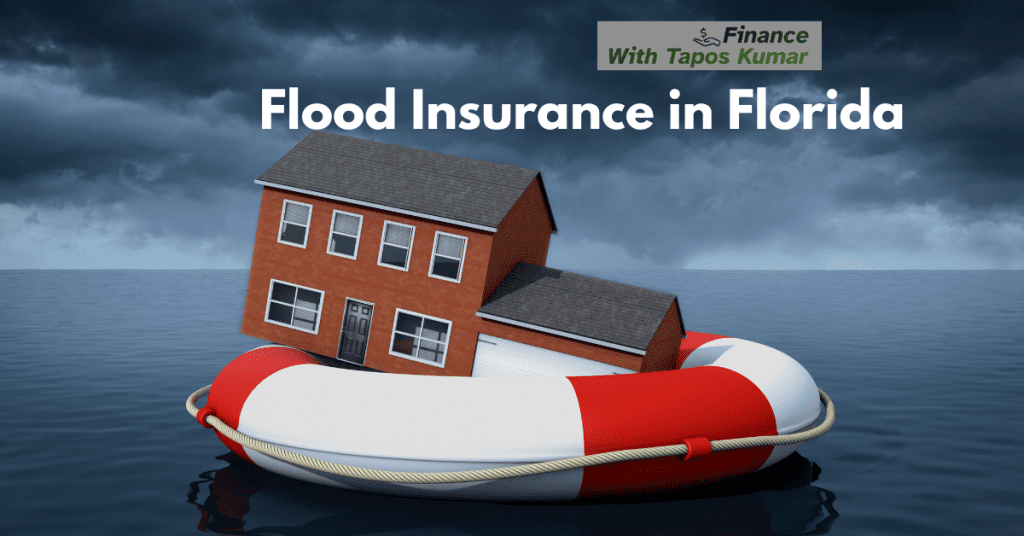
Not all flood insurance is created equally. Yes, & I am talking this from personal experience. A couple from St. Petersburg shared a personal story via LinkedIn that could be a case study for all Floridians. Let me share those incidents.
Hurricane Helene sent 18 inches of water into their raised ranch home. They had NFIP flood insurance, hmm, $250,000 building coverage, $100,000 contents. They thought they were safe.
Then the claim was processed. Their basement, hmm, a finished rec room with a pool table, flat-screen TV, and leather furniture, was excluded. Their washer and dryer weren’t covered. And, their finished flooring? Denied. Their total payout was $42,000 for structural elements and cleanup. They owe $78,000 out of pocket for their lost possessions.
This couple further told me that their neighbor had the same house layout. But their neighbor bought a private flood policy. His waiting period was 10 days instead of 30. His coverage included loss of use for temporary housing. When the water receded, he filed a claim and received a check for the full replacement cost of his belongings within 45 days, including everything in the finished lower level.
Two identical homes. Two different policies. And, two different compensations. I know you have confusing advice for flood insurance from advisors. I am not backing private over federal. In my view, the right insurance for flood in Florida depends on your flood zone, your home’s elevation, your tolerance for risk, and how much you have to lose.
Is your mind asking many questions? Hope so, just continue reading. I hope my personal experience-based incidents help you make the correct decision for flood insurance. Let’s start with the following:
Finance Ideas AI snippet box | Tapos Kumar
- NFIP caps at $250,000 building/$100,000 contents (actual cash value). Private carriers offer up to $10 million building coverage with replacement cost on contents.
- Private insurance is typically 20–35% less expensive than NFIP for moderate‑risk (Zone X) properties, but can be 50–100% more for high‑risk coastal (Zone VE) homes.
- NFIP has a standard 30‑day waiting period. Private carriers offer as few as 7–14 days, with zero days for real estate closings and policy rollovers.
- Only NFIP includes Increased Cost of Compliance (ICC) coverage up to $30,000 to elevate or demolish flood‑damaged homes.
- Private insurers can non‑renew policies after major flood claims. But NFIP cannot.
Look, before understanding which insurance fits for you, you need to understand the zone-based cost. By considering this, I have given a feature-based comparison with recommendations. Again, this is my verdict based on personal analysis. So, before making any buying decision, do your own research. Let’s read them:
Related articles
- The ABCs of Flood Insurance in Florida
-
Florida landlord flood disclosure: How One Florida Landlord Lost $30k
Zone X (Moderate to Low Risk) cost comparison?
| Feature | NFIP | Private Insurance |
| Average annual premium | $700–$900 | $500–$700 (20–35% less) |
| Building coverage | $250,000 | Up to $10,000,000 |
| Contents coverage | $100,000 (ACV) | $250,000+ (Replacement cost) |
| Loss of use coverage | None | $25,000+ |
| Waiting period | 30 days | 7–14 days |
| Verdict | Cheaper? No. | Private wins |
For properties with favorable risk characteristics i.e., newer construction, elevation above BFE, mitigation features, private coverage Florida typically costs 10–30% less than NFIP. In moderate‑risk zones, private carriers routinely save homeowners 20–35%.
Zone AE (High Risk) cost comparison?
| Feature | NFIP | Private Insurance |
| Average annual premium | $1,200–$3,500 | $1,000–$4,500 (competitive but varies) |
| Building coverage | $250,000 | Up to $10,000,000 |
| Contents coverage | $100,000 (ACV) | $250,000+ (Replacement cost) |
| Basement/sunken room coverage | Severely limited | Typically, comprehensive |
| Waiting period | 30 days | 7–14 days |
| Verdict | NFIP cheaper base | Private for high‑value homes |
NFIP rates in AE zones have increased significantly under Risk Rating 2.0. Private carriers using proprietary risk models can sometimes beat NFIP rates, especially for elevated homes, but not always.
Zone VE (Coastal high velocity – Most expensive) cost comparison?
| Feature | NFIP | Private Insurance |
| Average annual premium | $3,500–$12,000 | $5,000–$20,000 (50–100% more) |
| Building coverage | $250,000 | Up to $10,000,000 |
| Contents coverage | $100,000 (ACV) | $250,000+ (Replacement cost) |
| Non‑renewal risk after claim | None | Significant |
| Verdict | NFIP wins | Only for high‑value custom homes |
For coastal properties, private insurance costs 50–100% more than NFIP. In most high‑risk areas, private flood is 25–35% less expensive than NFIP, except in the highest‑risk coastal zones. The risk of non‑renewal is also highest here, making NFIP the safer choice for most Zone VE homeowners.
Mark my words: The average NFIP policy in Florida costs approximately $781–$958 per year. Private flood insurance averages around $1,479 annually in Florida, but this average is pulled upward by high‑risk coastal properties.
Feature comparison between NFIP & private flood insurance?
Hmm, this is necessary. If you don’t know the core features of federal & private policies then you can’t make correct buying decision. Therefore, I have given a comparative analysis so that you can understand the core differences. Let’s read them:
| Feature | NFIP (Federal) | Private Insurance |
| Maximum building coverage | $250,000 | Up to $10,000,000 |
| Maximum contents coverage | $100,000 (Actual cash value) | $500,000+ (Replacement cost) |
| Basement/sunken room coverage | Severely limited, only structural elements | Typically, comprehensive on finished areas |
| Loss of Use / Additional Living Expenses | None | Yes (typically $25,000–$50,000) |
| Increased Cost of Compliance (ICC) | Up to $30,000 (for elevation/demolition) | Not typically included |
| Business interruption coverage | None | Up to $25,000+ |
| Waiting period | 30 days (exceptions for loan closings or map changes) | 7–14 days typical; 0 days for closings or rollovers |
| Coverage for detached structures | Up to 10% of building coverage (max $25,000) | Higher limits available |
| Can be cancelled after major claim | No, NFIP cannot non‑renew | Yes, private carriers can non‑renew |
| Claims process | Federal process; 60‑day Proof of Loss required | Florida state‑regulated; 14‑day acknowledgment required |
| Elevation certificate required? | Often | Many carriers waive requirement |
After reading this table, you are going to ask me 3 key terms of these insurance policies. Don’t worry, I will explain it.
Below, I have explained the key differences of 3 key insurance terms.
Waiting periods: NFIP requires a 30‑day wait unless you qualify for the loan closing or map revision exceptions. Private carriers offer waits as short as 10 days, with no wait at all for real estate closings or rollovers from another policy. Some programs offer 7‑day waits, with no waiting period for loan transactions or properties in recently reclassified SFHAs. My analysis has found that private policies can activate in as few as 15 days versus NFIP’s standard 30‑day waiting period, which is important if hurricane season approaches and you lack coverage.
Claims handling: Private insurers are regulated by the Florida Insurance Code, which requires insurers to acknowledge your claim within 14 days, conduct a reasonable investigation, and issue a coverage determination within 90 days. NFIP claims follow federal timelines, yeah, often slower, and require a sworn Proof of Loss within 60 days. I found that private insurers generally handle claims more quickly since they are managed directly by the company.
Basement coverage: If you read my previous article on the “basement loophole,” you know NFIP’s definition is devastating for Florida’s sunken living rooms and split‑levels. Private carriers use their own definitions and typically cover finished lower‑level areas comprehensively, though you must verify each policy’s specific language.
But NFIP has hidden benefits that private carriers don’t?
Look, I am not supporting any policies. I write what I get from the experiment so that you can make a correct decision. My purpose is to educate you, but the final decision is yours to take. Anyway, below I have mentioned some insurance advantages that you can only get in NFIP. This doesn’t mean that I am suggesting federal insurance policies. Let’s read them:
Increased Cost of Compliance (ICC) = Up to $30,000
According to my analysis, this is the single biggest hidden benefit of NFIP that private policies almost never include. Imagine your home is substantially damaged (50%+ of market value) by a flood. In this situation, ICC coverage pays up to $30,000 to bring your home into compliance with local floodplain ordinances, whether that means elevating, relocating, or demolishing the structure.
And, private carriers? They don’t offer this. Say your home is substantially damaged. In this situation, private policies pay the claim, and then you are on your own for compliance costs, which can easily exceed $50,000 for elevation.
Guaranteed renewability
NFIP cannot cancel or non‑renew your policy after a major flood claim. Private carriers can and do. I found that after Hurricane Ian, multiple Florida homeowners with private flood policies received non‑renewal notices. This is not because they did anything wrong, but because the carrier was managing their book of business. To know the exact reasons, I had asked an insurance expert. They said that there is the ability for them to non‑renew, if they are not able to manage their book of business through the hurricane season.
Think it this way: you pay premiums for years, you file one legitimate claim when your home floods, and then your carrier drops you & they do it right when you need insurance most. If I talk about NFIP, they cannot do this.
Community rating system (CRS) discounts
Many Florida communities participate in FEMA’s CRS program, offering NFIP policyholders discounts of 5–45%. Private carriers are not required to honor these discounts. Let me guess that you live in a community with a Class 2 or Class 3 CRS rating. In this case, your NFIP premium could be 30–40% lower & making NFIP cheaper than private insurance in that specific scenario.
I have conducted a case study to give you better flood insurance policies?
I know you are reading my article to learn about better policies. Look, I am not an affiliated guy or a finance influencer. As a finance professional, I write this from my working experience. After 10 years of working, I had understood what finance clients want. By considering these facts, I have conducted scenario testing based on the zone. I hope this will give you a better understanding of policies & also help you to understand where NFIP & private policies fit. Let’s read them:
Scenario 1= The elevated home in zone x (moderate risk)
Property: 2020 construction, elevated 2 feet above BFE, no basement, located in Orlando (Zone X).
NFIP quote = $820 per year for $250k building / $100k contents
Private quote (Neptune) = $590 per year for $500k building / $250k contents (replacement cost).
My Verdict: Private wins. Lower premium, double the coverage, replacement cost on contents. The homeowner saved $230 per year and got significantly better protection.
Scenario 2 = The coastal home in zone VE (St. Pete Beach)
Property: 1985 construction, ground‑level entry, finished lower level with pool table and entertainment area.
NFIP quote = $4,200 per year for $250k building / $100k contents (ACV). Includes ICC coverage.
Private quote = $8,900 per year for $500k building / $250k contents (replacement cost). Finished the lower level covered.
My Verdict: NFIP wins. While private covers the lower level, the premium is more than double. The homeowner is better off with NFIP and purchasing a separate contents policy (or elevating the home to reduce future NFIP premiums).
Scenario 3 = The split‑level with a finished lower level
Property: 1995 split‑level home in Zone AE (Tampa), finished lower level with bedroom and bathroom.
NFIP quote = $2,400 per year. The lower level is classified as a basement, but the contents are not covered.
Private quote = $2,100 per year. Lower level fully covered as finished living space.
My Verdict: Private wins. Not only is the premium lower, but the coverage for the finished lower level makes private insurance the clear choice. This homeowner would lose tens of thousands of dollars in contents with NFIP.
How to switch from NFIP to private?
This is the most important part of my article. I am saying this because many Floridians are thinking of switching from federal to private policies. The problem is, they don’t get proper guidelines, and I don’t find helpful information on official sites. So, I have decided to write a perfect guideline about this. If you are a homeowner who is planning to switch, then read this with extra time. I hope it will help you. Let’s read them:
Switching from NFIP to private:
- Do not cancel your NFIP policy until your private policy is bound and effective.
- Private carriers offer zero‑day waiting periods for rollovers, meaning your coverage can be continuous with no gap.
- Once your private policy is active, request a pro‑rated refund from NFIP for the unused portion of your premium.
- Notify your mortgage lender of the new policy and provide proof of coverage.
Switching from private to NFIP:
I also found that many landlords in Florida want to shift from private to NFIP. Therefore, I said at the start of my article that a policy could only be perfect if it meets all or most of your requirements. So, let’s see the process:
- Be aware of the 30‑day NFIP waiting period. If you cancel your private policy first, you will have a coverage gap.
- Apply for NFIP coverage at least 45 days before your private policy expires.
- Once the NFIP policy is active (after the 30‑day wait), cancel your private policy.
- You may owe a short‑rate cancellation fee, so check your private policy’s terms.
My tip: Work with an independent agent who represents both NFIP and multiple private carriers. They can handle the transition seamlessly and ensure no coverage gaps.
Finance Ideas TL; DR | Tapos Kumar
NFIP (the federal program) offers predictable pricing, guaranteed renewal, and ICC compliance benefits for Floridians, but its coverage is capped at $250,000 building/$100,000 contents with no loss‑of‑use coverage. Private flood carriers offer higher limits (up to $10 million), replacement cost coverage, shorter waiting periods (as few as 7‑10 days), and lower premiums. Still, they can drop you after a major claim, exactly when you need insurance most.
According to my study, private insurance saves you 20–35% in moderate‑risk (Zone X) areas but costs 50‑100% more in coastal high‑risk (Zone VE) zones. Your decision should be based on: (1) your FEMA flood zone, (2) your home’s elevation, (3) whether you have a finished basement/sunken living area, and (4) your risk tolerance for non‑renewal.
Frequently Asked Questions (FAQ) about NFIP Vs Private flood insurance in Florida?
Is private flood insurance cheaper than NFIP in Florida?
Hmm, it depends on your flood zone. Usually, private is typically 20–35% cheaper in moderate‑risk (Zone X) areas, but can be 50–100% more expensive in coastal high‑risk (Zone VE) zones. Therefore, for most Florida homeowners, it is worth getting quotes from both.
What happens if my private flood insurer goes out of business after a hurricane?
The Florida Office of Insurance Regulation regulates private flood carriers and must maintain financial reserves. However, NFIP is backed by the full faith and credit of the US government, i.e., it cannot go bankrupt. In my view, this is a major advantage for NFIP.
Does private flood insurance cover basements and sunken living rooms?
Yes, in most cases. Private carriers use their own policy language and typically cover finished lower‑level areas comprehensively. But I suggest you read the specific policy because assumptions don’t always work.
Can I have both NFIP and private flood insurance?
Yes, it is called layering. Some homeowners with high‑value properties purchase NFIP for the first $250,000 of building coverage (to get ICC benefits) and a private policy for an additional $500,000+ in excess coverage. This gives you the best of both policies.
Which has a shorter waiting period: NFIP or private?
According to my study, it is private. NFIP has a standard 30‑day waiting period (with limited exceptions). Private carriers offer 7‑14 day waits, with some offering zero days for real estate closings and policy rollovers.
Does NFIP or private insurance pay claims faster?
According to my analysis, private insurance pays claims faster. NFIP follows federal timelines requiring a Proof of Loss within 60 days, then processing. Private claims are governed by Florida law, requiring a 14‑day acknowledgment and a 90‑day determination.
Can a private flood insurer drop me after I file a claim?
Yes. In my opinion, this is the major risk of private insurance, and one that NFIP does not have. Private carriers can non-renewal policies after major claims to manage their risk level.
What is ICC, and who offers it?
ICC refers to the Increased Cost of Compliance. ICC provides up to $30,000 to bring a substantially damaged home into compliance with floodplain ordinances (elevation, relocation, demolition). Only NFIP includes ICC coverage, hmm, private carriers typically do not.
Is private flood insurance available in all Florida counties?
Mostly yes. The largest private carriers (Neptune, Orion180, Palomar) operate statewide. However, availability may be limited in extremely high‑risk coastal zones or for older homes without elevation certificates.
Can I switch from NFIP to private mid‑policy?
Yes. You can purchase a private policy at any time. Once it is active, you can cancel your NFIP policy and receive a pro‑rated refund for the unused portion. Private carriers typically offer zero‑day waiting periods for rollovers, so there is no coverage gap.
Does NFIP or private cover loss of use or additional living expenses?
Private policies typically include loss of use coverage (e.g., $25,000 for temporary housing). NFIP does not cover loss of use at all. After a major flood, this can be the difference between staying in a hotel or sleeping in your car.
How do I get a quote for private flood insurance in Florida?
You can get from an independent insurance agent who represents multiple private carriers. But ask: Which private flood carriers do you represent? If they only offer NFIP, find another agent. Many private carriers like Neptune offer direct online quotes. Look, I mention Neptune only for example, & this is not my recommendation. Do your own study & then make a purchase decision.
Do NFIP or private have better customer satisfaction ratings?
Hmm, it varies. Neptune Flood has a 4.7‑star rating on Site jabber from 75 reviews. However, consumer complaints about private carrier non‑renewal and premium increases are rising. NFIP has lower customer satisfaction but offers guaranteed renewal and ICC benefits.
What documentation do I need to switch from NFIP to private?
Hmm, your current NFIP declarations page, elevation certificate (if you have one), property address, and construction details. Private carriers can waive the elevation certificate requirement for newer homes or moderate‑risk zones.
Does private flood insurance cover business interruption for home‑based businesses?
Yes, some private policies offer business interruption coverage (Neptune offers up to $25,000). NFIP does not cover business interruption or home‑based business property. If you run a business from home, private insurance is strongly recommended.
What is the best flood insurance for a Florida condo?
It depends on your condo association’s master policy. If the association has an NFIP RCBAP policy, your unit’s contents are covered under the master policy with the same basement limitations. Private insurers can write individual contents policies that avoid the basement loophole. Therefore, I suggest you consult your association’s insurance agent.
Tapos’s last thought
So, how was my article? I hope you get your answer. If you have more questions, please ask me in the comments. I will try to answer them as soon as possible. However, before closing, I want to give my final advice. These tips help you avoid costly insurance decisions. Let’s read them:
- Determine your FEMA flood zone. Use the FEMA Map Service Center to look up your property. According to my analysis, this single factor can drive 80% of the NFIP vs. private decision.
- Get quotes from both NFIP and at least two private carriers. How can you do that? Contact an independent agent who represents multiple private markets. Then, ask for a side-by-side comparison so that you can make correct decisions like: premium, coverage limits, waiting period, basement/sunken room language, loss of use coverage, and ICC inclusion.
- Then, check your home’s elevation. Do you have an elevation certificate? If not, then consider getting one. Usually, elevated properties (especially those 2+ feet above BFE) qualify for significantly lower private rates.
- Assess your non‑renewal risk tolerance. This is important. Let me tell you why? Say, you cannot afford to lose coverage after a major claim, or you own a coastal high‑risk property. In this situation, NFIP’s guaranteed renewal may be worth paying a premium.
References & Sources
Below is the lists of sources that I have used to write this article:
- FEMA NFIP Program Overview
- eCFR – 44 CFR Part 59 (General Provisions)
- GAO – Private Flood Insurance Market Barriers
Disclaimer
The information provided in this article is author’s view & only for educational purposes. This is not a promotional post. By reading this, you agree that the information is not purchasing advice for flood insurance in Florida. Do your research before making any important financial decision. Therefore, Finance Ideas will not be liable for your financial loss.