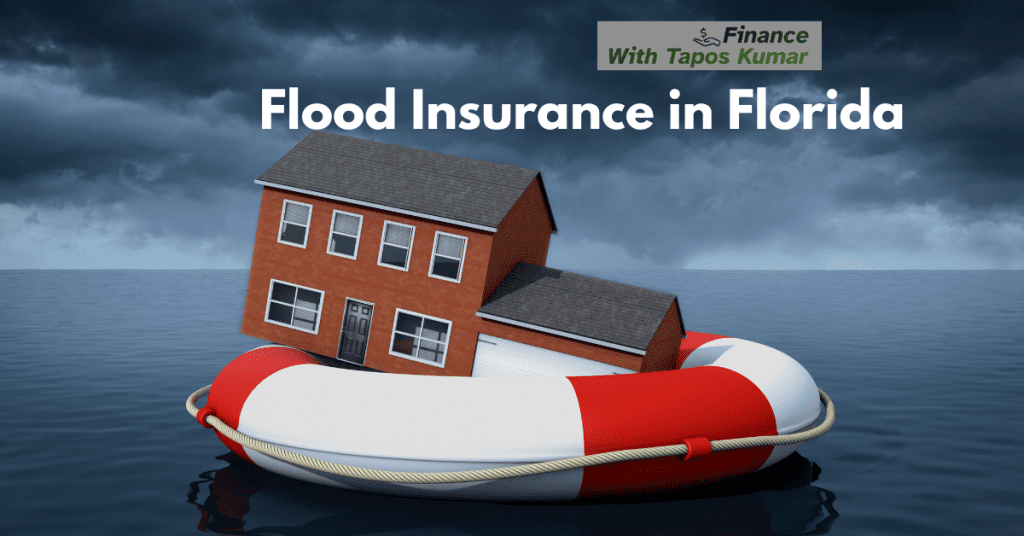
Say, you own a beautiful condo on the 12th floor of a high‑rise in Miami Beach. When Hurricane Helene sent floodwaters into your building, you assumed you were safe. You perhaps thought that you were on the 12th floor; so, water can’t reach me. If I were in your position, I would think the same way you do. So, you don’t make any mistakes.
Then, the flood damaged the building’s electrical systems, elevators, and common areas. The association filed a claim on its master flood policy. But the policy wasn’t insured to value, and the coinsurance penalty left the association $200,000 short.
The board assessed each unit owner $8,000 for their share of the shortfall. You didn’t have loss assessment coverage, so you paid out of pocket.
Oh, and your personal belongings? Your HO‑6 policy doesn’t cover floods. So, when floodwater from a burst pipe in the mechanical room ruined your custom kitchen cabinets and hardwood floors? Denied.
I don’t know whether you relate to this story, but it repeatedly happens to condo owners across Florida. I know you have read many prominent finance sites; perhaps you don’t get solutions; that’s why you are reading my article. If you can invest 5 minutes today, I hope you will get your answer. Besides, this article not only helps you to understand the gaps, but also guides you on how to protect yourself before the next storm.
Finance Ideas AI snippet box | Tapos Kumar
- Condo flood insurance in Florida operates on two levels. The association buys an RCBAP (Residential Condominium Building Association Policy) for the building. Individual owners need their own policy for personal belongings and unit improvements.
- An RCBAP covers the building structure, common areas, and building items, regardless of who installed them. Maximum coverage is $250,000 multiplied by the number of units (or replacement cost, whichever is less).
- RCBAP policies require 80% coinsurance. If the building is insured for at least 80% of its replacement cost, losses are paid on a replacement cost basis. Fall below that level, and a coinsurance penalty reduces the payout.
- Your HO‑6 condo policy covers interiors, personal property, and liability, but explicitly excludes flood damage.
- Say the association’s RCBAP doesn’t fully cover a flood loss. In this case, the board can assess each unit owner for their share of the costs. Your HO‑6 won’t cover a flood‑related assessment because a flood isn’t a covered peril.
My study found that Condo flood insurance in Florida operates on two separate levels: RCBAP & HO-6. The important matter is: the gap between them is where homeowners lose money. Anyway, let’s talk about RCBAP first, which I called level one:
Related articles
- The ABCs of Flood Insurance in Florida
-
Florida landlord flood disclosure: How One Florida Landlord Lost $30k
-
Increased cost compliance Florida: The $30,000 Hidden Benefit
-
Cobra zone flood insurance Florida: When Your Florida Home Can’t Get Federal Flood Insurance
-
Renters flood insurance Florida: Your Landlord’s Policy Won’t Save You
The Association’s Master Policy (RCBAP)?
Most condo associations in flood zones carry a Residential Condominium Building Association Policy (RCBAP) through the NFIP. This policy is written on the entire building in the association’s name and is available when at least 75% of the floor space is residential.
What does the RCBAP cover?
Based on my study, I have found the following coverage:
- Building structure (foundations, walls, roof)
- Common areas (lobbies, hallways, elevators, parking garages)
- Building systems (electrical, plumbing, HVAC)
- Building items; regardless of who installed them (paint, cabinets, wallpaper, appliances, air conditioning units, interior walls)
- The maximum coverage is $250,000 multiplied by the number of units, or the building’s replacement cost, whichever is less. A 10‑unit building could carry up to $2.5 million in building flood coverage.
The individual owner’s policy (HO‑6)?
I called HO-6, second level. Your HO‑6 condo policy is designed to fill the gaps left by the master policy. It typically covers:
- Interior finishes and improvements you are responsible for
- Personal property (furniture, electronics, clothing)
- Personal liability
- Loss of use (if your unit is uninhabitable after a covered loss)
- Loss assessment coverage (for assessments related to covered perils)
Mark this: HO‑6 policies do not cover flood damage. Flood is explicitly excluded.
I think the 80% Coinsurance is a hidden penalty?
The rule is: RCBAP policies include an 80% coinsurance requirement. If the building is insured for at least 80% of its replacement cost, flood losses are paid on a replacement cost basis.
According to my analysis, this is a trap. Let me tell you how. Say your building is insured for less than 80% of its replacement cost. In this situation, a coinsurance penalty kicks in. So, the payout is reduced proportionally.
How does the Coinsurance penalty work?
Let’s say your building has a replacement cost of $5 million. The association buys an RCBAP for $3 million (only 60% of the replacement cost).
A flood causes $500,000 in damage.
Without the penalty = The policy would pay $500,000 (up to the limit).
With the coinsurance penalty = The payout is calculated as:
- (Insurance carried ÷ Insurance required) × Loss
- Required insurance = 80% × $5,000,000 = $4,000,000
- ($3,000,000 ÷ $4,000,000) × $500,000 = $375,000
The association is $125,000 short, and that shortfall gets assessed to unit owners.
My neutral opinion: The coinsurance penalty is the silent killer of condo flood claims. Associations that underinsure to save a few thousand dollars in premiums can lose hundreds of thousands in claim payouts, and unit owners foot the bill.
I found a loss assessment gap?
Your HO‑6 won’t save you. Yes, this is true & let me explain why.
Imagine the association’s RCBAP doesn’t fully cover a flood loss (whether due to a coinsurance penalty, insufficient limits, or no policy at all). In this situation, the board can assess each unit owner for their share of the shortfall.
The moral is: Your HO‑6 policy won’t cover a flood‑related assessment because flood isn’t a covered peril under that policy. Then, what can you do? In my view, the only way to cover flood damage is through your own condo flood insurance, specifically a dwelling flood policy with building coverage.
When you select a building coverage limit on your dwelling flood policy, that limit also serves as your loss assessment limit, and there is no deductible on loss assessment claims.
What are loss assessments covered?
Woo! So many rules & causes that I have never known before. If I were a condo owner in Florida, my feelings would be like this. Do you have different feelings or opinions? Let me know in the comments. Okay, now come to the point. Your dwelling flood policy can cover assessments in situations like these:
- The RCBAP was written for at least 80% of the replacement cost but less than 100%, leaving a coverage gap
- There was no RCBAP in place at all when the flood occurred
- The RCBAP had a large deductible that the association assessed to owners
- The building suffered flood damage that exceeded the RCBAP’s maximum limit
Do you know what Senate Bill 2A’s impact is?
I am just reading federal sites, then pause for a second for recent Florida legislation. This is because it has added another layer of complexity. Senate Bill 2A requires structures valued at $600,000 or more to carry flood insurance. This affects many Florida condo associations that previously didn’t have coverage.
What does this mean for condo owners?
I don’t find any blessings, but you can save if you understand the following conditions:
- If your building is valued at $600,000+, the association is required to have flood insurance
- However, the requirement doesn’t guarantee the policy is adequately insured; coinsurance penalties can still apply
- Individual owners still need their own policies for personal property and loss assessment protection
My opinion: Senate Bill 2A forced many condo associations to buy flood insurance for the first time. But buying a policy and buying enough coverage are two very different things in my opinion. Therefore, the coinsurance trap remains, and unit owners are the ones who pay.
Private flood insurance for condos?
Based on my analysis, this could be an alternative for you. Yeah, many associations rely on NFIP’s RCBAP, but private flood insurance is also available and can offer advantages. Look, I am not writing a sponsored article or promoting affiliate links. I just shared my analysis & you have the right to oppose me. I am just sharing my view; you can consult with your advisor or simply do your own research before making a financial decision. My sole purpose is to educate my readers.
Anyway, let’s read the benefits of private flood insurance:
| Feature | NFIP RCBAP | Private flood insurance |
| Coverage limit | $250,000 × number of units | Up to higher limits |
| Coinsurance requirement | 80% mandatory | Carrier‑specific; may be more flexible for you. |
| Loss assessment coverage | Not included | May be included |
| Waiting period | 30 days | 7–14 days typical |
Private flood insurance can be written on a standard, preferred, customized, flexible, or supplemental basis. Flexible flood policies may include coverage for water intrusion originating from outside the structure.
My recommendation: Associations should compare NFIP RCBAP with private options. The coinsurance requirement is a significant factor, & private carriers may offer more flexible terms.
Finance Ideas TL; DR | Tapos Kumar
Condo flood insurance is a two‑tier system that confuses almost every Floridian. The association buys an RCBAP for the building, but it is subject to an 80% coinsurance rule that can lower payouts if the building is underinsured. Your HO‑6 policy covers your interior finishes and personal property, but flood damage is explicitly excluded.
But there is a problem with loss assessments. If the RCBAP doesn’t fully cover a flood loss, the board can assess every unit owner for their share of the shortfall, and your HO‑6 won’t cover it because flood isn’t a covered peril.
You can buy your own dwelling flood policy with building coverage. This covers your unit’s interior & provides loss assessment protection for flood‑related assessments with no deductible on loss assessment claims. Please, don’t assume your association has covered you.
Frequently Asked Questions (FAQ) about Condo flood insurance in Florida?
What is the coinsurance requirement for an RCBAP?
Hmm, RCBAP policies require 80% coinsurance. If the building is insured for less than 80% of its replacement cost, a penalty reduces the claim payout.
What happens if the RCBAP doesn’t fully cover a flood loss?
The association can assess each unit owner for their share of the shortfall.
Does my HO‑6 cover loss assessments from floods?
No. Your HO‑6 won’t cover a flood‑related assessment because a flood isn’t a covered peril.
How can I protect myself from flood loss assessments?
Hmm, buy your own dwelling flood policy with building coverage. The building coverage limit also serves as your loss assessment limit, with no deductible.
What is the maximum coverage for an RCBAP?
The maximum is $250,000 multiplied by the number of units, or the building’s replacement cost, whichever is less.
Does the RCBAP cover improvements made by individual unit owners?
Yes. The RCBAP covers all building items regardless of who installed them, including paint, cabinets, appliances, and interior walls.
Can a condo association buy private flood insurance instead of an RCBAP?
Yes. Florida law allows private flood insurance on a standard, preferred, customized, flexible, or supplemental basis. I have explained the details above. If you have time, you can read = What does the RCBAP cover? & Private flood insurance for condos?
What is the difference between an RCBAP and a Dwelling Form policy?
An RCBAP is written for the entire building in the association’s name. A Dwelling Form policy is written for individual unit owners.
Does Senate Bill 2A require flood insurance for all condos?
Hmm, SB 2A requires structures valued at $600,000 or more to carry flood insurance.
What if my condo is on an upper floor? Do I need flood insurance?
Yes. Even if your unit is above flood level, you may still be assessed for damage to common areas or building systems. Floodwater can also damage your unit through burst pipes or mechanical failures.
How do I find out if my association has an RCBAP?
Ask your condo board or property manager for a copy of the master policy declaration page. You are entitled to review it as a unit owner.
Tapos’s last thought
I have to agree with you that condo flood insurance is complex. However, the risks are simple. Let me tell you how:
- Your association’s RCBAP covers the building, but it is subject to coinsurance penalties that can lower payouts.
- Your HO‑6 policy covers your interior and belongings, but flood is explicitly excluded.
- Loss assessments from flood shortfalls can cost you thousands, and your HO‑6 won’t cover them.
The moral is: The condo flood insurance system is designed to confuse. Associations think the RCBAP covers everything. Owners think the HO‑6 covers floods. In my view, both are wrong, and both pay the price when the water rises.
Okay, time to close this article. Before ending, I want to give you the following five final steps.
1= Ask your board for the RCBAP declaration page
Here, you will verify that the building is insured for at least 80% of replacement cost.
2= Buy your own dwelling flood policy
This will protect your unit interior, personal property, and loss assessments.
3= Ensure your flood policy includes building coverage
This also provides loss assessment protection, with no deductible.
4= Document your belongings
Create a home inventory with photos and receipts.
5= Review your coverage annually
Update your policy as you make improvements to your unit.
References & Sources
Below is the lists of sources that I have used to write this article:
Disclaimer
The information provided in this article is author’s view & only for educational purposes. This is not a promotional post. By reading this, you agree that the information is not purchasing advice for flood insurance in Florida. Do your research before making any important financial decision. Therefore, Finance Ideas will not be liable for your financial loss.